AIコンテンツヒューマナイザーとは?その仕組みを解説
AIコンテンツヒューマナイザーが機械的なテキストを自然で魅力的なコンテンツに変換する仕組みを解説。そのメリットや動作原理を学び、AI検出についても理解を深めましょう。
では、AIコンテンツヒューマナイザーとは一体何でしょうか?AI生成テキストを取り込み、より自然で本物らしく聞こえるように磨き上げる専門的なエディターだと考えてください。機械の効率性と、読者が実際に共感する本物のヒューマンタッチとの橋渡しをするツールです。コンテンツを読みやすくするだけでなく、AI検出ツールでも自然な文章として認識されるように書き換えることが目標です。
AIコンテンツの台頭とヒューマナイゼーションの必要性
正直に言えば、私たちは今、コンテンツの海の中を泳いでいます。2short.aiのようなツールを含むAIライティングプラットフォームの爆発的な増加がその大きな理由です。この機械生成テキストの波は非常に効率的ですが、オーディエンスとの本当のつながりを築こうとする人にとっては大きな頭痛の種でもあります。
生のAIコンテンツをストックフォトのようなものだと考えてみてください。技術的には完璧で、照明も構図も素晴らしいですが、完全に無機質で個性がゼロです。AI生成テキストも同じで、文法的には正しく論理的にも筋が通っていますが、文章をリアルに感じさせる微妙な癖や温かみが欠けています。
これこそがAIコンテンツヒューマナイザーが不可欠になった理由です。アルゴリズムを騙すことだけが目的ではありません。言葉に魂を吹き込むことが目的なのです。
機械的なコンテンツの問題点
インターネットは、どれも同じように聞こえる一般的で定型的な記事で溢れかえっています。この未編集のAIテキストの洪水は深刻な問題を引き起こしています:
- 偽物っぽく感じる: 読者は、コンテンツが機械によって書かれたものかどうかを驚くほど正確に感じ取ります。独自の声、個人的なストーリー、自然な会話のリズムが欠けています。
- 誰も留まらない: 機械的なコンテンツは退屈です。好奇心を刺激せず、信頼も築けないため、直帰率が高くなり、誰の記憶にも残らないブランドになってしまいます。
- SEOのギャンブル: Googleのような検索エンジンは、低品質で役に立たないコンテンツを嗅ぎ分ける能力がますます高くなっています。生のAIテキストをただ大量生産するのは、ランキングを下げる可能性のあるリスキーな戦略です。
核心的な問題はシンプルです:AIは下書きを生成する強力なツールですが、人間のライターが持つ創造性、共感力、説得力の代替にはなりません。ヒューマンタッチがなければ、コンテンツは読者とつながることができません。
より明確なイメージを持っていただくために、標準的なAIテキストとヒューマナイズされたコンテンツの簡単な比較をご覧ください。
AI生成テキスト vs ヒューマナイズされたAIテキスト一覧
| 特性 | 標準的なAI生成テキスト | ヒューマナイズされたAIテキスト |
|---|---|---|
| トーンと声 | 平坦で一般的、明確な個性がないことが多い。 | 独自の声があり、一貫したトーンで、本物らしさを感じる。 |
| 文の構造 | 反復的で予測可能なパターン(例:同じ長さ)。 | 多様な文の長さが自然で会話的な流れを生む。 |
| 語彙の選択 | よく使われる予測可能な単語や業界用語を使用。 | より繊細な語彙を用い、決まり文句を避ける。 |
| 読者エンゲージメント | 注意を引きつけたり、感情的なつながりを築けない。 | 親しみやすい言葉で読者とつながる。 |
| 独自性 | 既存情報の要約のように感じることがある。 | 独自の表現と新鮮な視点を取り入れている。 |
| AI検出スコア | AI検出ツールで頻繁にフラグが立つ。 | AI検出ツールでも人間が書いたように見えるよう設計。 |
ご覧のように、違いは微妙ですが、信頼してくれるオーディエンスを築くためには非常に重要です。
ヒューマナイゼーションが解決策である理由
AIの普及規模は想像を絶するものがあります。生成AI市場は2024年に148億ドルと評価され、2030年までに801.2億ドルを超えると予測されています。一部の専門家は**2026年までにオンラインコンテンツの最大90%**が合成的に生成される可能性があると予測しており、目立つことはもはやオプションではなく、サバイバルスキルです。**マーケターの43%**がすでにAIを使用しており、AI検出ツールがあちこちに登場しているのもそのためです。
AIドラフトを洗練させたい方は、AIコンテンツをヒューマナイズする方法のガイドでより深く学ぶことができます。
AIコンテンツヒューマナイザーは、この課題に直接取り組みます。文の構造を調整し、語彙を多様化し、より自然なリズムを加えることで、無機質なテキストを人々が実際に読みたいと思うものに変えます。HumanText.proのようなトップクラスのソリューションは、このギャップを埋めるために構築されており、コンテンツがAI検出レーダーをすり抜けるだけでなく、本当にオーディエンスに響くことを保証します。AI時代において品質を高く保つための鍵です。
AIコンテンツヒューマナイザーとは具体的に何か?
その核心において、AIコンテンツヒューマナイザーはテキストの仕上げエディターのようなものです。こう考えてみてください:キットから完璧に組み立てた家具があるとします。機能的で、すべての部品が正しい位置にありますが、手作りの家具が持つ温かみと個性がありません。ヒューマナイザーは、エッジを研磨し、ユニークな仕上げを施し、最後の個性を加える職人のような存在です。
これらのツールがAI生成の文章に対して行うことがまさにそれです。GPTのようなモデルからの文法的に完璧だが無機質で予測可能な出力を受け取り、本当の生命を吹き込みます。目的は単に言葉を入れ替えることではなく、本物の人間のコミュニケーションを定義する微妙な癖、リズム、独自の表現を導入することです。このステップが、コンテンツを本物らしく、そして実際に読んで楽しいものにするのです。
AIコンテンツヒューマナイザーは、AIテキストを洗練するために構築されたスマートなプラットフォームです。コンテンツの作成方法と戦略を変えつつあるAI搭載マーケティングツールの成長するツールキットにぴったりとフィットします。主な仕事は、機械のスピードと人間のつながりの間のギャップを埋めることです。
検出回避以上のもの
テキストをAIスキャナーから見えなくすることが大きな魅力ですが、それは本当に表面をかすっているだけです。アルゴリズムを単にだますだけでは短期的な勝利にすぎません。本当の使命は、真に重要な唯一の人物、つまり読者のためにライティングの品質を根本的に向上させることです。
優れたヒューマナイザーは単なるワードスワップをしません。AIモデルがほぼ常に見逃すニュアンスに焦点を当てます:
- 文の多様性: 人は自然に短くパンチの効いた文と、長く描写的な文を混ぜます。ヒューマナイザーは「AI」を叫ぶ単調な文構造を打ち破ります。
- より豊かな語彙: 平凡で使い古された単語を、より興味深く文脈に適した代替語に置き換え、機械的な繰り返しを避けます。
- 自然なリズム: ツールはフレーズを調整し、トランジションを滑らかにして、脳にとって単純に読みやすい会話的な流れを作り出します。
最終的に、スキャンに合格するだけでなく、実際に人々とつながるコンテンツを作ることが目的です。
AIコンテンツヒューマナイザーは、AIテキストの予測可能で機械的なパターンを検出し、ライティングを人間らしく感じさせる変動性、声、微妙な複雑さを導入するために戦略的に書き換えることで機能します。
このプロセス全体が、あなたのメッセージが一般的で魂のないコンテンツの海に埋もれないようにします。機能的な下書きを、本当に説得力のあるものに変えるのです。
パーソナリティ・トランスレーターの例え
もう一つの考え方をご紹介します:AIライターは辞書のすべての単語を知っている優秀な言語学者のようなもので、しかしカジュアルな会話をしたことがありません。文を完璧な文法的正確さで翻訳できますが、慣用句、内輪のジョーク、言葉の背後にある感情的な重みを完全に見逃します。
AIコンテンツヒューマナイザーは「パーソナリティ・トランスレーター」として機能します。文字通りの、技術的に完璧なテキストを取り、それに欠けているキャラクターと感情を注入します。言葉が何を意味するかだけでなく、読者にとってどう感じるかを理解します。
これがヒューマナイゼーションが非常に重要な理由です。欺くことが目的ではありません。あなたのアイデアが相応しい温かさ、明瞭さ、インパクトとともに伝わることを確保することです。テキストをより魅力的で読みやすくすることに焦点を当てることで、これらのツールは、テクノロジーの仕組みの詳細に入る前に、コンテンツのためのはるかに強力な基盤を構築するのに役立ちます。
AIコンテンツヒューマナイザーの実際の仕組み
では、ボンネットの下で何が起こっているのでしょうか?AIコンテンツヒューマナイザーは、単にシソーラスで言葉を入れ替えているわけではありません。単純な検索置換というよりは、AIテキストの機械的なパターンを分解し、人間のライティングの微妙で複雑な複雑さで再構築する熟練したエディターだと考えてください。
この変換は、3つのコアメカニズムが連携して行われます。

このグラフィックは、機械生成テキストから本物の人間らしいアウトプットへの旅を簡略化しており、ヒューマナイザーが重要な橋渡しとして機能しています。
高度な言語モデリング
まず、ツールは人間のライティングが実際にどのように聞こえるかを理解する必要があります。HumanText.proのようなツールは、実在の人々が書いた数百万の記事、書籍、会話、ブログ投稿といった膨大なデータセットで訓練されています。これは、ミュージシャンがメロディーをキャッチーで記憶に残るものにする要素を内在化するために無数の曲を聴くようなものです。
このすべてのデータを分析することで、モデルは人間の表現の統計的指紋を学習します。AIモデルがほぼ常に見逃す微妙な癖を認識し始めます。例えば:
- パープレキシティ: テキストがどれほど予測不可能かを測定する洗練された方法です。人間のライティングはジグザグに進みますが、AIテキストはAからBへの最も論理的で予測可能な道をたどる傾向があります。
- バースティネス: リズムに関するものです。人間は自然に長くうねる文と短くパンチの効いた文を混ぜます。これにより「バースティ」なパターンが生まれますが、均一な文の長さを好むAIはこれを再現するのに苦労します。
この深い理解を武器に、ヒューマナイザーはテキスト内の「ロボットが書いた!」と叫ぶ部分を特定し、書き換えることができます。
言い換えと構造的変化
ヒューマナイザーが機械的な部分にフラグを立てると、それらを解体する作業に取りかかります。これは単純な単語の置き換えをはるかに超えています。自然な変動性を導入するために設計された戦略的な書き換えプロセスです。
これは、文の構造をシャッフルし、節の順序を変え、AI生成コンテンツの明らかなサインである単調なリズムを崩すためにアイデア全体を言い換えることを意味します。目的は、AI検出ツールが特にキャッチするために訓練されている均一で機械的なケイデンスを取り除くことです。
このプロセスのより深い解説については、AIテキストをヒューマンテキストに変換するガイドでより実践的な例を提供しています。
ここでのコアアイデアは意図的な不一致です。AIは完璧で論理的な一貫性を追求しますが、人間のライティングは制御された自然な変動の上に成り立っています。AIコンテンツヒューマナイザーの仕事は、テキストをリアルに感じさせるためにこの「欠陥」を注入することです。
実際に見てみましょう。
- AI生成文: 「太陽光発電の利用は、炭素排出を削減し、環境の持続可能性を促進するための効果的な方法です。」
- ヒューマナイズ版: 「ソーラーパワーに切り替えることは、CO2を減らして地球を助ける素晴らしい方法です。」
ヒューマナイズ版はより短く、日常的な言葉を使い(「削減する」の代わりに「減らす」)、より直接的で会話的に感じられます。
スタイルの模倣とトーンの調整
最後に、プロセスの最も高度な部分にたどり着きます:個性の追加です。ここでヒューマナイザーはゴーストライターのように機能し、コンテンツが明確な声を持つ人物によって書かれたように感じさせる特定のトーンとスタイルを採用します。
以下のような要素を組み込んでヒューマンタッチを加えるためにテキストを調整します:
- 慣用表現: ネイティブスピーカーが自然に使う一般的なフレーズや表現を散りばめます。
- 短縮形: 短縮形(「〜です」を「〜だ」など)を使って、よりカジュアルで会話的な雰囲気を作ります。
- 修辞的質問: 読者に直接語りかける質問を加え、ライティングをよりインタラクティブにします。
これら3つのメカニズム—言語モデリング、構造的変化、スタイルの模倣—を重ねることで、AIコンテンツヒューマナイザーは無機質な機械生成の下書きを、説得力があり、魅力的で、人間が書いたものとほとんど区別がつかないコンテンツに効果的に変換できます。
では、AIコンテンツヒューマナイザーを使用することの実際のインパクトを分解してみましょう。どのように機能するかを知ることは興味深いですが、それが実際にあなたに何をもたらすかを理解することが本当に重要です。即座の修正というよりも、信頼性を守り、大量の時間を節約する戦略的な優位性だと考えてください。
最も明らかなメリットは、AI検出を自信を持って通過できることです。学生にとっては、Turnitinのようなプラットフォームにエッセイを提出する際の不安が軽減されます。コンテンツマーケターやプロのライターにとっては、GPTZeroやSaplingのようなツールで不当にフラグを立てられることがなくなります。
AIヒューマナイザーは、検出ツールが検出するよう訓練された予測可能で均一なパターンを消去するためにテキストを書き換えることで魔法を発揮します。スキャナーを騙すことではなく、AIを活用した下書きが本当にあなた自身のものとして見られることを保証することです。
SEOパフォーマンスの向上
SEOのゲームでは、オーセンティシティが究極の通貨です。Googleのヘルプフルコンテンツアップデートは明確なメッセージを送っています:アルゴリズムではなく、人のために作られたコンテンツを評価するということです。生の一般的なAIテキストは、この高い基準を満たすのにしばしば苦労します。
ヒューマナイザーは、Googleが実際に評価するものに合わせてAI出力を洗練します:
- 読みやすさの向上: 機械的な表現を自然な流れと多様な文構造に置き換えます。これによりコンテンツがより魅力的になり、ページ滞在時間の延長と直帰率の低下につながります。これらはすべてSEOにとって良いシグナルです。
- オーセンティックな声: ブランドの権威と信頼を築く、独自で一貫したトーンを注入するのに役立ちます。これはGoogleのE-E-A-T(経験、専門性、権威性、信頼性)ガイドラインに完璧に合致します。
- オリジナルな表現: よくあるAIテンプレートを排除することで、コンテンツが新鮮でユニークで、読者にとって本当に価値のあるものとして際立つのに役立ちます。
これは単にランキングを上げることだけではありません。何度も戻ってきてくれるロイヤルなオーディエンスを築くことなのです。
読者エンゲージメントの強化
正直に言いましょう:機械的なテキストは退屈です。事実は伝えるかもしれませんが、つながりを作ることには完全に失敗します。AIコンテンツヒューマナイザーは、無機質で忘れられやすい段落を、実際に読者の注意を引くものに変えるツールです。
会話的なトーン、親しみやすい言葉、よりダイナミックなリズムなどの人間的要素を織り込むことでこれを実現します。人々があなたのコンテンツを面白くて消化しやすいと感じると、それを共有したり、コメントしたり、あなたを頼れる情報源として見る可能性がはるかに高くなります。
AIヒューマナイザーの最大の強みは、情報とつながりの間のギャップを埋める能力です。一方的なデータの羅列を、オーディエンスとの双方向の会話に変えます。
テキストをより個人的で直接的にすることで、ブランドや出版物の周りにコミュニティ感を育みます。
コンテンツ生産性の向上
AI生成の下書きを手動で人間らしく聞こえるように編集するのは大変な作業です。不格好な文を書き直し、より良い言葉を探し、各段落のリズムを延々と微調整する作業はよくご存じでしょう。この魂を消耗させる作業は、そもそもAIを使って節約した時間をすべて帳消しにしてしまいかねません。
AIコンテンツヒューマナイザーは、この研磨プロセス全体を自動化します。
手間のかかる手動編集に1時間かかるかもしれない作業が、数秒で完了します。これにより、オーディエンスが期待する品質やオーセンティシティを薄めることなく、コンテンツ制作をスケールアップできます。コンテンツチーム、エージェンシー、そして個人ライターにとって、より速いターンアラウンド、より高いアウトプット、そして全体的な戦略に集中するためのより多くの時間を意味します。
誰がAIコンテンツヒューマナイザーを必要としているのか?
AIヒューマナイザーを使っている人について、意外に思われるかもしれません。これは特定の仕事のためのニッチなツールではなく、あらゆる専門分野に現れている問題の解決策です。コンテンツをスケールしようとするマーケターから、エッセイを磨こうとする学生まで、本当に人間らしいライティングの必要性は普遍的です。
このようなツールの需要は爆発的に伸びており、一部のプラットフォームはすでに600万人以上のユーザーにサービスを提供しています。これは単なる宣伝ではなく、実際のニーズに基づいています。例えば、**小売業とeコマースの大手企業の80%がコンテンツ作成にAIを活用する中、顧客の信頼を維持するためにロボットっぽく聞こえないようにする必要があります。特に顧客の63%**が生成AIのプライバシーの扱いに懸念を持っている状況ではなおさらです。これらの数字について詳しくは、AIエージェント統計に関するレポートをご覧ください。
では、これらのツールから最も恩恵を受けている人々を見てみましょう。
コンテンツをスケールするSEOスペシャリスト
SEOに携わる人にとって、ゲームは高品質なコンテンツを容赦ないペースで公開することです。月に数十の記事を手動で書くのはバーンアウトのレシピです。AIは数秒で下書きを作成できますが、その生の出力はしばしば一般的で不格好で、Googleの「ヘルプフルコンテンツ」基準を満たせません。
ここでAIヒューマナイザーが生産性の乗数になります。機械的なテキストを何時間もかけて書き直す代わりに、SEO担当者は以前2本の記事を書いて編集するのにかかった時間で10本の高品質な投稿を洗練させることができます。ツールは不自然な表現を滑らかにし、人々と検索エンジンの両方が好む自然な言語パターンを注入します。
「以前はAIドラフトのロボットっぽいトーンを消すために何時間も費やしていました。今はヒューマナイザーに数分で通すだけです。アウトプットは3倍になり、コンテンツはAIチェックを一貫してパスしながら、ブランドの強くオーセンティックな声を保っています。」
— それを理解しているSEOマネージャー
学術エッセイを磨く学生
今日の学生は綱渡りをしています。よく調査された洞察力のあるエッセイを書くことを期待されていますが、AIを使って助けを求めるとTurnitinのような学術整合性ツールでレッドフラグが立つ可能性があります。AIヒューマナイザーは、洗練された編集パートナーとして機能し、AIを活用した下書きを自分自身の考えとスタイルを本当に反映するものに変えるのに役立ちます。
不正行為ではありません。最終成果物を改善するためにツールを使うことなのです。ヒューマナイザーは、文法チェッカーやシソーラスが最終稿を強化するのと同じように、不格好な文を言い換え、議論の流れを改善するのに役立ちます。目標は、自分の理解を示す磨かれたオリジナルの作品を提出することです。
ワークフローを加速するフリーランスライター
フリーランスの生活はジャグリングです。クライアントの獲得、締め切り、そしてトップクラスの仕事の要求を常にバランスさせています。AIはライターズブロックを打破したり、素早いアウトラインを作るのに最適ですが、最終的な作品はクライアント特有のトーンに合わせ、品質チェックに合格する必要があります。
AIコンテンツヒューマナイザーは、ライターがこのプロセスを劇的にスピードアップするのに役立ちます。
- 即座にトーンを適応: 何時間もの手動書き直しなしに、単一の下書きを異なるブランドの声に合わせて調整できます。
- 下書きをより速く磨く: 最初の編集パスを処理し、不格好な文をクリーンアップし、読みやすさを向上させます。
- 請求可能なアウトプットの増加: 面倒な編集に費やす時間が減ることで、新しいプロジェクトを引き受け、収入を伸ばすための時間が増えます。
提出するすべての作品が磨かれ、プロフェッショナルで、すぐに使える状態を保証するパーソナルエディターだと考えてください。
ブランドボイスを維持するデジタルマーケティングエージェンシー
エージェンシーは、複数のクライアントの声を管理する能力で成否が決まります。その声を無数のブログ投稿、ソーシャルメディアの更新、メールキャンペーンにわたって一貫させることは大きな課題です。コンテンツをスケールするためにAIを使うと、すべてが同じに聞こえるリスクが非常に高くなり、構築するために雇われた独自のブランドアイデンティティが薄れてしまいます。
AIヒューマナイザーは、スケールでブランドの整合性を維持する鍵です。エージェンシーチームがAI生成の下書きを処理し、最終テキストが各クライアントの確立されたトーンに完璧に合致するようにします。ウィットに富んだ遊び心のあるものでも、フォーマルで権威あるものでも。このようにして、コンテンツを大量生産していても、すべての作品がオーセンティックでブランドに合致していると感じられます。
HumanText.proの使い方ステップバイステップガイド
メリットについて話すのは一つですが、AIヒューマナイザーが実際に魔法を発揮するのを見るのはまた別のことです。最も素晴らしい点は?HumanText.proのような強力なツールは非常にシンプルに設計されていることです。機械的なAIテキストを実在の人物が書いたように読めるものに変えるのに、技術的な知識は一切必要ありません。
それがどれだけ簡単かを見ていきましょう。4つの簡単なステップで、不格好なAIドラフトを、AI検出を回避するだけでなく、オーディエンスに実際につながるものに磨き上げることができます。
ステップ1:AI生成テキストを貼り付ける
まず、ヒューマナイズしたいテキストを用意してください。ブログ投稿のイントロ、レポートの数段落、あるいはメールの下書きなど何でも構いません。コピーして、HumanText.proのホームページのエディターに貼り付けるだけです。
インターフェース全体がクリーンでミニマルです。最初の下書きから完成品に手間なく到達できるよう設計されています。
左側にオリジナルテキスト、右側にヒューマナイズされたバージョンが並ぶシンプルなサイドバイサイドレイアウトが表示されます。
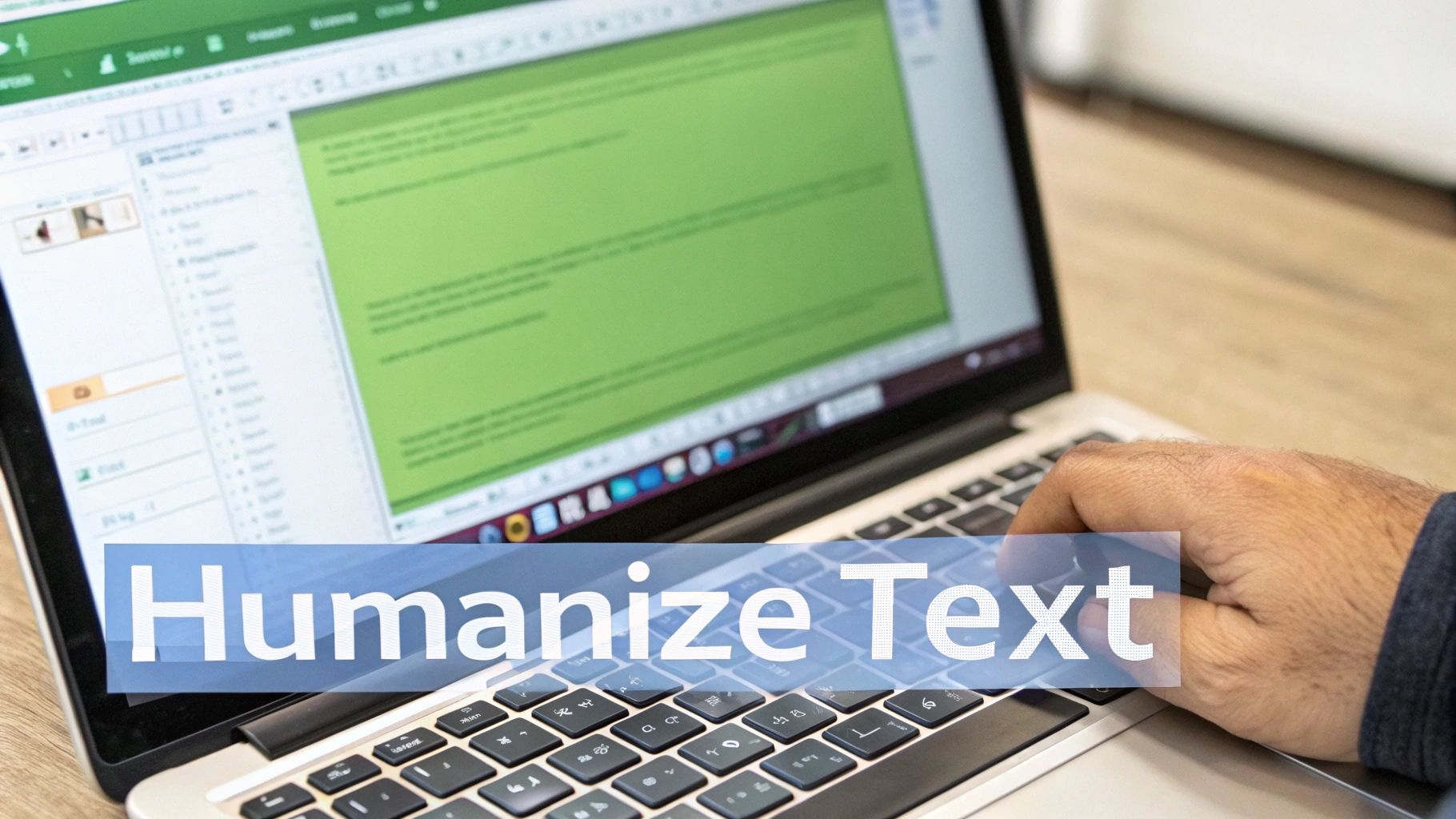
このセットアップにより、ツールが作業を完了した後のビフォーアフターバージョンの比較が非常に簡単になります。
ステップ2:初期AIスコアを確認する
「Humanize」ボタンを押す前に、テキストの即座の読み取りを得ることができます。HumanText.proには、コンテンツが機械によって書かれたとフラグが立てられる確率を示す組み込みAI検出機能があります。これにより、明確な開始点が得られ、ツールがどれだけの違いを生むかを正確に確認できます。
この即座のフィードバックはゲームチェンジャーです。すべての推測を排除し、「ビフォー」の全体像を示して、テキストに検出ツールが見つけるよう訓練された機械的なパターンがあることを確認します。
ステップ3:「Humanize」をクリックして作業を任せる
テキストがロードされたら、「Humanize」ボタンをクリックするだけです。わずか数秒で、プラットフォームのアルゴリズムがコンテンツの分析と書き換えに取りかかります。単なる言葉の入れ替えではなく、根本的な改善を行います:
- 文構造の変化: AIを叫ぶ反復的で予測可能な文パターンを崩します。
- 語彙選択の改善: 一般的なAI語彙をより自然で繊細な言語に置き換えます。
- 自然な流れの創出: 不自然な表現を滑らかにし、ライティングをより読みやすく魅力的にします。
ステップ4:新しく改善されたテキストを確認する
完了すると、ヒューマナイズされたバージョンが右側の出力ボックスに表示されます。新しい検出不能スコアがすぐに表示され、通常は99%人間が書いたものとなります。
新しいバージョンをじっくり読んでみてください。オリジナルの意味を保ちつつ、自分らしく聞こえることを確認しましょう。
試してみる準備はできましたか?あなた自身のテキストでHumanText.proを無料でお試しいただき、違いを実感してください。
よくある質問
AIツールの世界に飛び込むのは、未知の領域に足を踏み入れるような気分かもしれません。特に人間の文章と機械の文章の境界線が曖昧になると、質問を持つのは全く自然なことです。AIコンテンツヒューマナイザーの使用について最もよく聞かれる質問をクリアにしていきましょう。
AIコンテンツヒューマナイザーを使うのは不正行為か?
AIヒューマナイザーをゴーストライターというよりも、スーパーパワーを持つ編集アシスタントだと考えてください。Grammarlyを使って文法を直したり、シソーラスでより良い言葉を見つけるのと同じファミリーに属するものです。ツールは、すでに作成した下書きを洗練するためにあります。
ただし、コンテキストがすべてです。学生の場合、ヒューマナイズされたAIテキストを100%自分の作品として提出することは、学術的不正行為に容易に抵触する可能性があります。HumanText.proのようなツールのスマートで倫理的な使い方は、自分のライティングスタイルを高め、明瞭さを改善することであり、ゼロからの著者偽装ではありません。
ヒューマナイズされたコンテンツはGoogleでランキングされるか?
Googleにはアルゴリズムに「ヒューマナイズ済み」のチェックボックスはありませんが、一つのことに執着しています:有益で人を第一に考えたコンテンツです。生のAIテキストの問題は、しばしば平坦で一般的で、読者と検索エンジンの両方にこれが高品質であると伝えるオーセンティックな声が欠けていることです。
AIコンテンツヒューマナイザーは、そのギャップを以下のように埋めるのに役立ちます:
- ニュアンスを注入し、テキストに自然なリズムを与えます。
- コンテンツを実際の人々にとってより読みやすく魅力的にします。
- 実際の専門家が書いたように聞こえるようにすることで、GoogleのE-E-A-Tガイドラインに合致させます。
これらは単なる表面的な変更ではありません。コンテンツがオーディエンスとつながるのを助けることで、SEOパフォーマンスを真剣に向上させることができます。それこそGoogleが見たいものです。
HumanText.proはデータをどのように保護しているか?
ご安心ください。あなたのコンテンツはあなたの知的財産です。私たちはプライバシーとセキュリティを非常に真剣に受け止めており、HumanText.proは厳格なプライバシーファーストポリシーの上に構築されています。ツールに貼り付けたテキストは、ヒューマナイゼーションプロセスのみに使用されます。保存、共有、またはモデルのトレーニングに使用されることは決してありません。
コンテンツはリアルタイムで処理され、その後即座に破棄されます。ヒューマナイズされたテキストが返されると、オリジナルと処理済みバージョンは永久にサーバーから消去されます。これにより完全な機密性が保証されます。
このアプローチにより、あなたのアイデアと努力はあなただけのものであり続けます。レーダーの下をくぐるテキストを作成するメカニクスに興味がある方は、undetectable AIが機能するかどうかについてのガイドとライターにとっての意味をより深く掘り下げることができます。テキストをより良くしながら、データを完全に安全に保つことがすべてです。
AIドラフトを魅力的で本物のコンテンツに変える準備はできましたか?HumanText.proは、あなたの作品を数秒で現実世界に送り出すために必要な洗練と洗練を提供します。HumanText.proを無料で試すで違いを実感してください。
AI生成コンテンツを自然で人間らしい文章に変換する準備はできていますか? Humantext.pro はテキストを瞬時に改善し、自然で本物らしく読めるようにします。 今日、無料のAIヒューマナイザーをお試しください →
関連記事

AI Face Search Explained: Verify Identity and Stay Safe
Understand how AI face search works, including embeddings, accuracy, and legal issues. Learn to use these tools for personal safety and verify identity online.

Reverse Face Search: A Verification Safety Guide
Learn how reverse face search works, when to use it for safety, and how to pair it with AI image checks to verify online contacts and reused photos.

Face ID Search Explained: How It Works and How to Verify
Learn how face ID search works, why it differs from reverse image search, and how to verify identities and photos safely with practical checks and tools.

